What does a typical day in Arlington Heights feel like? Picture a walkable downtown with coffee in hand, tree-lined streets that change with the seasons, and easy access to parks, schools, and the Metra. If you are weighing a move from the city or another suburb, you want a clear sense of lifestyle, not just listings. In this guide, you will get a grounded look at daily life, housing options, commute choices, and the overall neighborhood vibe so you can decide if it fits your goals. Let’s dive in.
Where Arlington Heights fits
You are about 20 to 25 miles northwest of downtown Chicago, in one of the larger northwest suburbs in Cook County. The community serves as a regional hub for dining, retail, and services, especially around its downtown Metra station. With a population in the mid to high 70,000s, it feels active without being overwhelming.
The overall character is suburban and established. You will find long-time residents alongside commuters who split their weeks between local offices and downtown. Streets are leafy, sidewalks are common, and the scale is human. Daily life centers on home, school, parks, and an easy downtown meet-up for dinner or coffee.
Housing styles and neighborhood feel
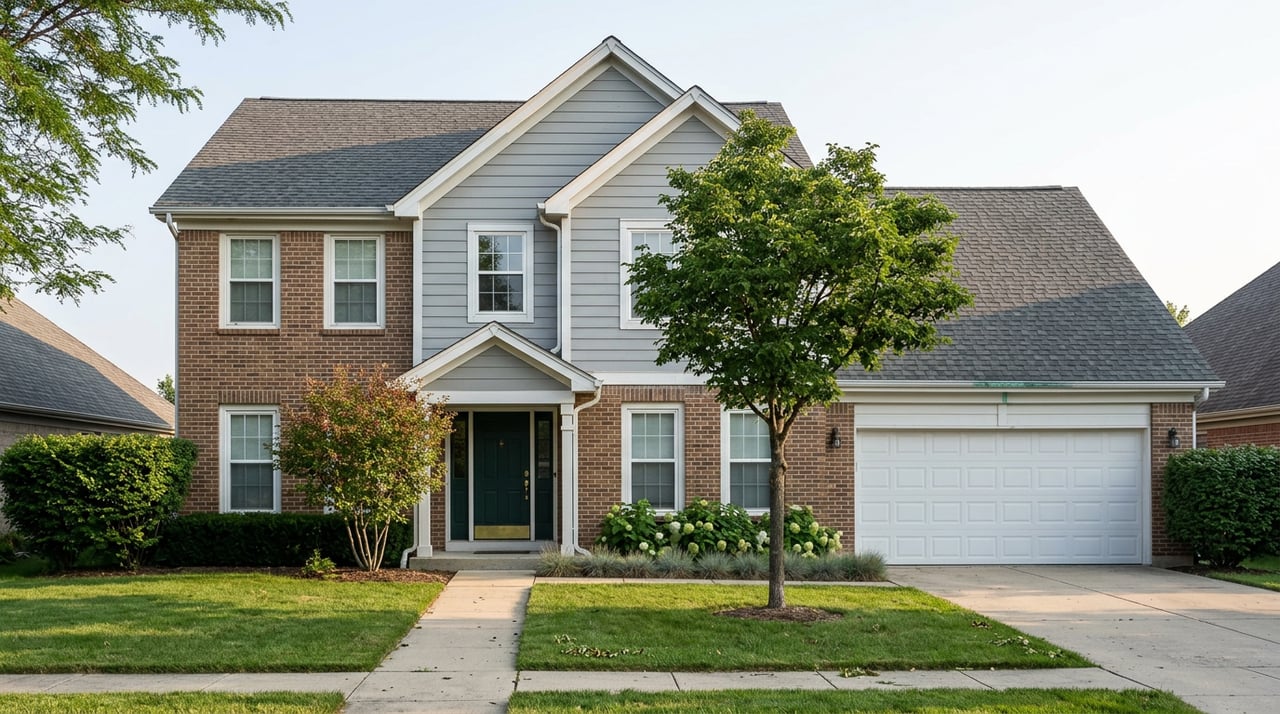
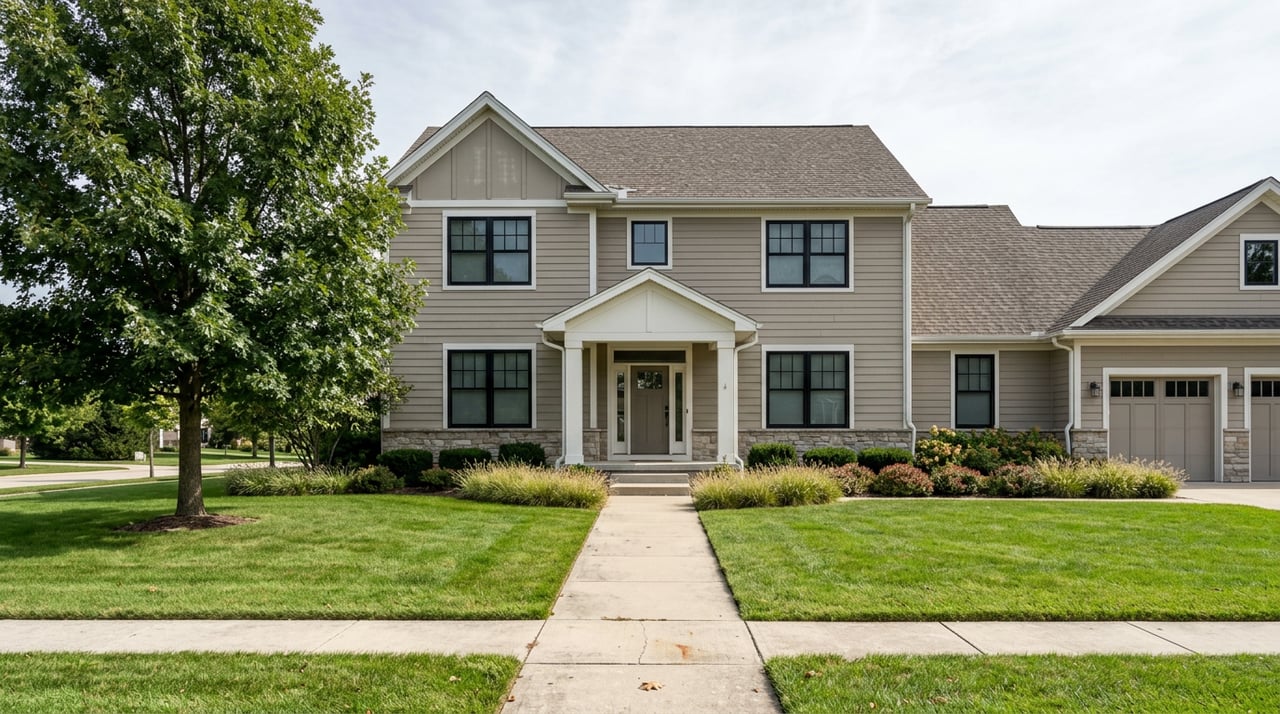
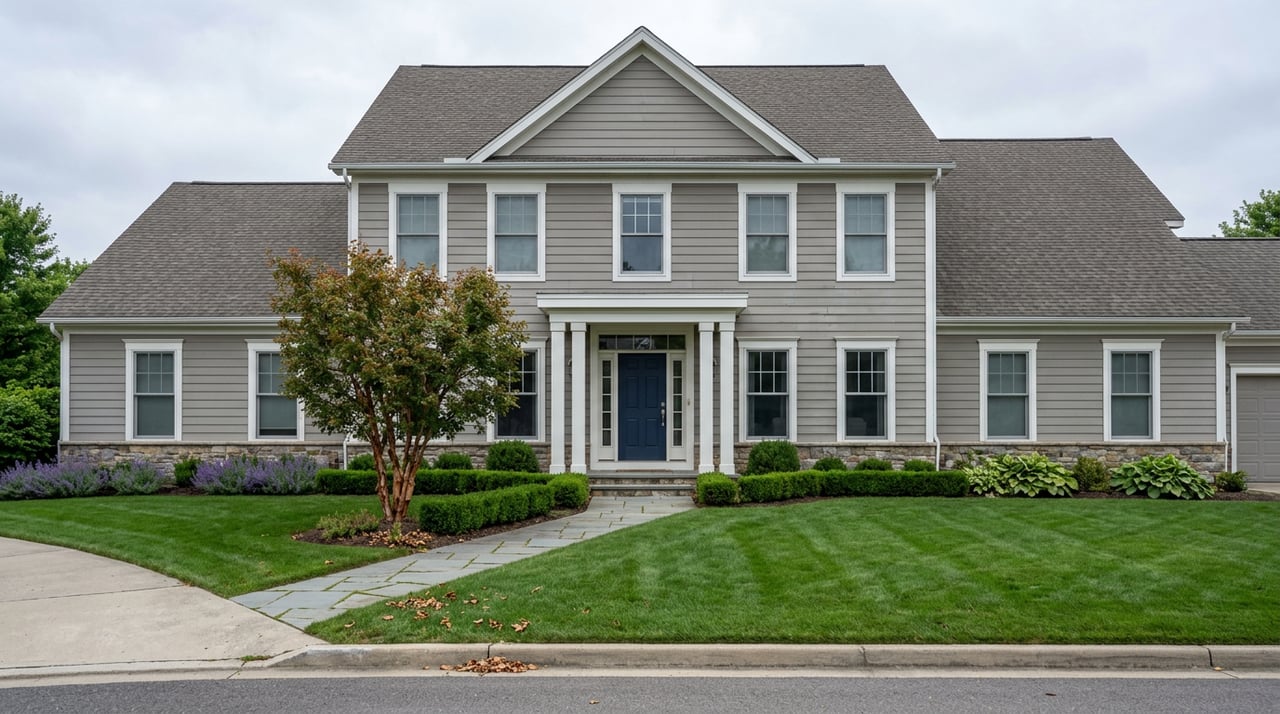
Arlington Heights offers a wide range of homes, which helps you tailor your search to budget, commute, and lifestyle preferences. Closer to downtown, you can trade yard size for walkability. Farther out, you tend to get larger lots and quieter blocks. Newer construction and townhome options fill in near major corridors.
Walkable streets near downtown
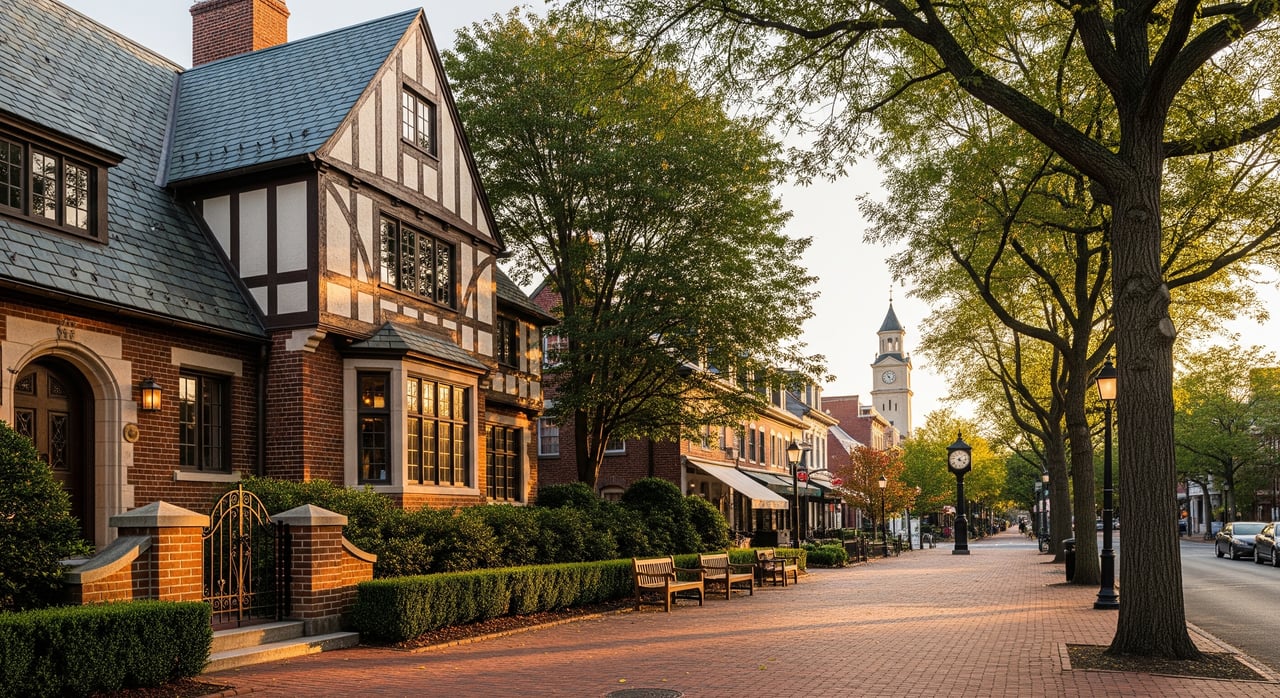
If you like to stroll to the train or a local restaurant, the blocks around the Metra station deliver that classic neighborhood feel. You will see early 20th-century bungalows, Tudor and Colonial revival homes, plus a few newer infill builds. Lots are modest, trees are mature, and weekend foot traffic gives the area a friendly pulse.
Mid-century blocks and room to spread out
Head a few minutes from the core and you will find mid-century ranches and Cape Cods from the 1950s to 1970s. These neighborhoods offer practical layouts, manageable yards, and a comfortable sense of space. Streets are calm and residential, with everyday errands a short drive away.
Townhomes, condos, and newer builds
If low maintenance and modern amenities matter most, look at townhome communities, small condo buildings, and newer single-family infill. These are often near transit or shopping nodes. You can balance updated finishes and a simple upkeep routine with a convenient location for commuting.
Renting options
Rental choices include garden-style and mid-rise apartment buildings throughout the village. Proximity to the Metra station often maps to higher demand. If you are testing the area before buying, a lease near downtown can help you sample the walkable lifestyle.
Downtown and everyday conveniences
Downtown Arlington Heights is lively yet relaxed. It has a main-street feel with restaurants, cafes, bars, and boutique shops clustered around the Metra. You will also find civic anchors like the library and village services nearby.
Dining and coffee
The dining scene mixes family-friendly spots with global flavors. You can grab a quick slice, settle in for a sit-down meal, or meet a friend for a latte. Weekends are social but not hectic, and patio seating is common when the weather cooperates.
Shopping and services
Daily essentials are easy to cover. Grocery stores, pharmacies, and fitness options are a short drive from most neighborhoods. Larger retail corridors and nearby suburbs add big-box choices without needing a long trip.
Evenings and weekends
Expect a low-key evening vibe that leans social rather than late-night. You will find community events, live music, and seasonal festivals across the year. It feels active enough to keep your calendar full, especially if you enjoy outdoor concerts, markets, and park district happenings.
Parks, trails, and recreation
One of Arlington Heights’ strengths is its park and recreation network. The park district operates neighborhood parks, community centers, athletic fields, playgrounds, and seasonal facilities that support year-round activity. You can explore programs, facilities, and maps through the Arlington Heights Park District.
Park District highlights
- A system of parks and play spaces spread across the village
- Recreation centers with classes, leagues, and fitness options
- Seasonal amenities such as pools, ice, tennis, and pickleball
- Youth and adult sports that create easy ways to connect
Trails and outdoor time
You will find multi-use paths and park-to-park connectors for walking and biking. Weekend rides are popular on neighborhood-friendly streets and greenways. Lake Arlington is a well-known local recreational area, and the broader network makes it simple to get fresh air close to home.
Schools and learning
Public school options vary by neighborhood. Multiple elementary and community consolidated districts serve the village, and high schools are part of Township High School District 214. Because boundaries and performance metrics can change, it helps to review official resources.
- For performance data and school report cards, use the Illinois Report Card.
- For high school boundaries and profiles, review Township High School District 214.
Private and parochial schools also operate in and near Arlington Heights. Always confirm school assignments for a specific address, and consider contacting schools directly to learn about programs, transportation, and enrollment timelines.
Commute and getting around
You have flexible options for commuting and errands. Downtown Chicago is accessible by Metra, and regional bus routes connect you to nearby suburbs and shopping.
- Metra Union Pacific Northwest Line. Arlington Heights is on the UP-NW line to Ogilvie Transportation Center. Typical one-seat commute times are about 30 to 45 minutes for express trains, depending on the time of day. Check current timetables and fares through Metra.
- Pace Suburban Bus. Local routes link neighborhoods to commercial areas and the Metra station. See maps and schedules at Pace Suburban Bus.
- Driving. Several arterial roads link to interstates for regional travel. Drive times to downtown Chicago depend heavily on traffic. Expect roughly 30 to 60 minutes or more during peak periods. O’Hare International Airport is commonly a 20 to 30 minute drive, depending on the neighborhood and time of day.
Walkability is strongest near downtown and the Metra station. Most residential areas have sidewalks and short blocks, which makes neighborhood walks easy, but many residents rely on cars for errands outside the core.
Costs, taxes, and safety
Cook County property taxes are a significant part of monthly ownership costs, and reassessments can affect payments. Before you buy, review recent assessments and sample bills for the types of properties you are considering. For current information, visit the Cook County Assessor.
The cost of living is generally higher than the national average, though often lower than some North Shore communities or closer-in suburbs. Groceries, utilities, and services track with typical suburban Chicago costs.
Arlington Heights is generally regarded as a relatively safe suburban community. As you compare neighborhoods, look up official statistics from local authorities or uniform crime reports and visit at different times of day to get a feel for activity and lighting.
Who loves living here
- You want a suburban pace with a real downtown. Walkable dining and a quick coffee meet-up matter, but you do not need a late-night scene.
- You value parks and programs. Weekend sports, summer pools, and community classes are part of your routine.
- You commute by train or split your week between the office and home. Metra access helps, and you like having multiple routes to O’Hare and the interstate.
- You prefer an established neighborhood over a brand-new subdivision. Mature trees, distinct home styles, and a mix of housing options appeal to you.
Tips for choosing your spot
Use these steps to confirm fit and make your search efficient:
- Sample the commute. Ride the Metra during your typical rush hour and time the door-to-door trip from a likely home area.
- Walk the blocks. Visit the same street in the morning, afternoon, and evening to check traffic, noise, and lighting.
- Confirm school logistics. Use the Illinois Report Card for performance data and contact schools about programs and transportation. Verify boundaries with District 214 for high school and the relevant elementary district for your address.
- Analyze total monthly costs. Factor mortgage, insurance, utilities, and property taxes. Review estimates with the Cook County Assessor and discuss reassessment timing.
- Check park access. Map your closest parks, trails, and recreation centers using the Arlington Heights Park District site.
- Ask about future redevelopment. Infill and redevelopment can shift traffic and retail options. Track local planning updates and consider how change may benefit your long-term plans.
Finding your right-fit home is about matching daily life to your priorities. When you pair a clear wish list with on-the-ground visits and verified data, you make confident decisions.
Ready to explore Arlington Heights with local guidance and a strategy that fits your goals? Connect with the C Starr Team at @properties for neighborhood insight, private and on-market options, and a smooth path from search to closing.
FAQs
What is the commute from Arlington Heights to downtown Chicago like?
- The Metra UP-NW line offers a one-seat ride to Ogilvie, with typical express trains taking about 30 to 45 minutes. Check current schedules at Metra.
Are there walkable areas with restaurants and coffee shops in Arlington Heights?
- Yes. The blocks around the Metra station form a walkable downtown with dining, cafes, and services. Foot traffic is steady on weekends and during community events.
What types of homes can I find in Arlington Heights?
- Options range from early 20th-century bungalows and Tudors near downtown to mid-century ranches and newer townhomes, condos, and infill single-family homes across the village.
How do I research schools that serve a specific address in Arlington Heights?
- Start with the Illinois Report Card for performance data and confirm high school boundaries with District 214. Contact individual schools for programs and enrollment details.
What should I know about property taxes in Arlington Heights?
- Property taxes are a significant ownership cost in Cook County. Review assessments and sample bills through the Cook County Assessor and factor reassessments into your budget.
Are there good parks and recreation options nearby?
- The Arlington Heights Park District operates a wide network of parks, recreation centers, programs, and seasonal facilities, making it easy to stay active close to home.