If you want a northwest suburb that feels established, practical, and easy to live in, Rolling Meadows deserves a closer look. You may be comparing nearby communities, trying to picture your daily routine, or wondering whether this area fits your budget and lifestyle. The good news is that Rolling Meadows offers a mix of older housing, strong park access, and commuter convenience that appeals to a wide range of buyers. Let’s dive in.
Rolling Meadows at a glance
Rolling Meadows is a mature suburb in the northwest Chicago area with roots going back to the 1950s. The city was incorporated in 1955 after developer Kimball Hill built postwar housing, and the community still reflects that mid-century foundation today, according to the city’s comprehensive plan.
Today, Rolling Meadows has an estimated population of 23,732 and 9,336 households. U.S. Census QuickFacts reports a 71.8% owner-occupied housing rate, a median household income of $98,514, a median home value of $326,200, and a median gross rent of $1,607.
That data helps paint a useful picture. For many buyers, Rolling Meadows feels less like a brand-new planned community and more like an established suburb with a steady residential base and everyday convenience.
Housing feels established
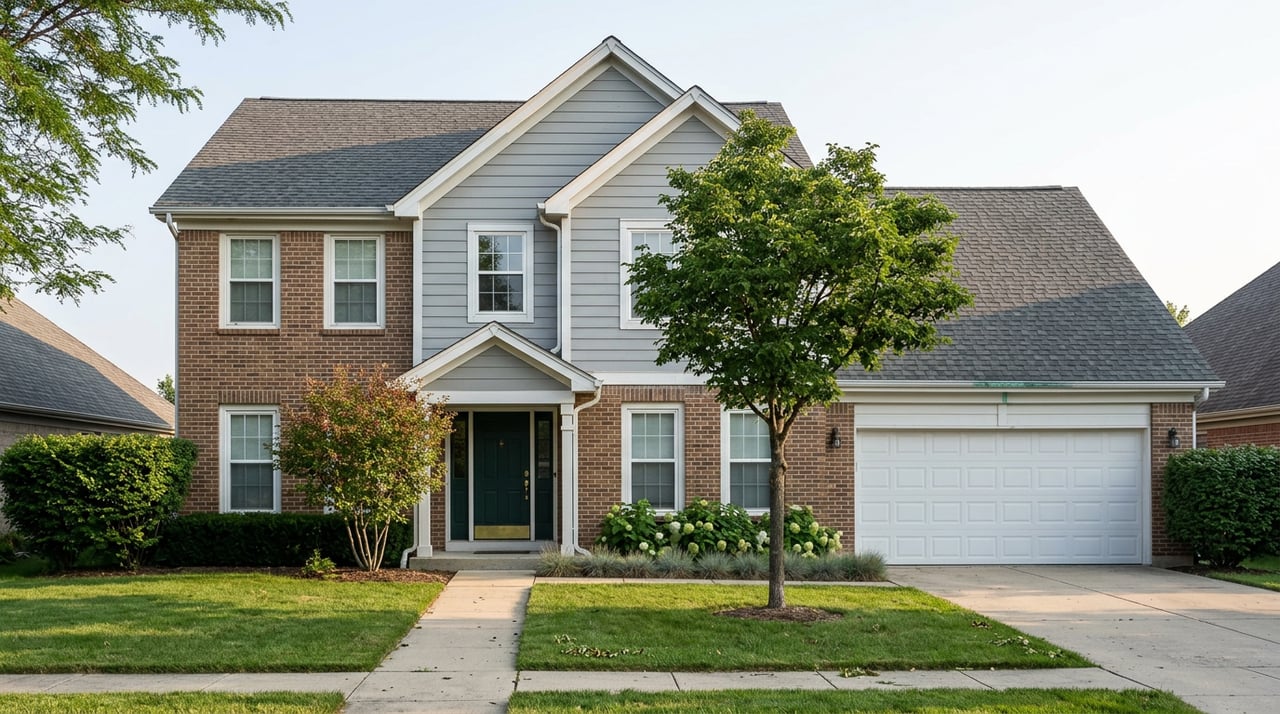
One of the first things you may notice about Rolling Meadows is its housing character. Most homes were built between 1950 and 1980, which gives the city a more settled, lived-in feel than many newer subdivisions, based on the city planning document.
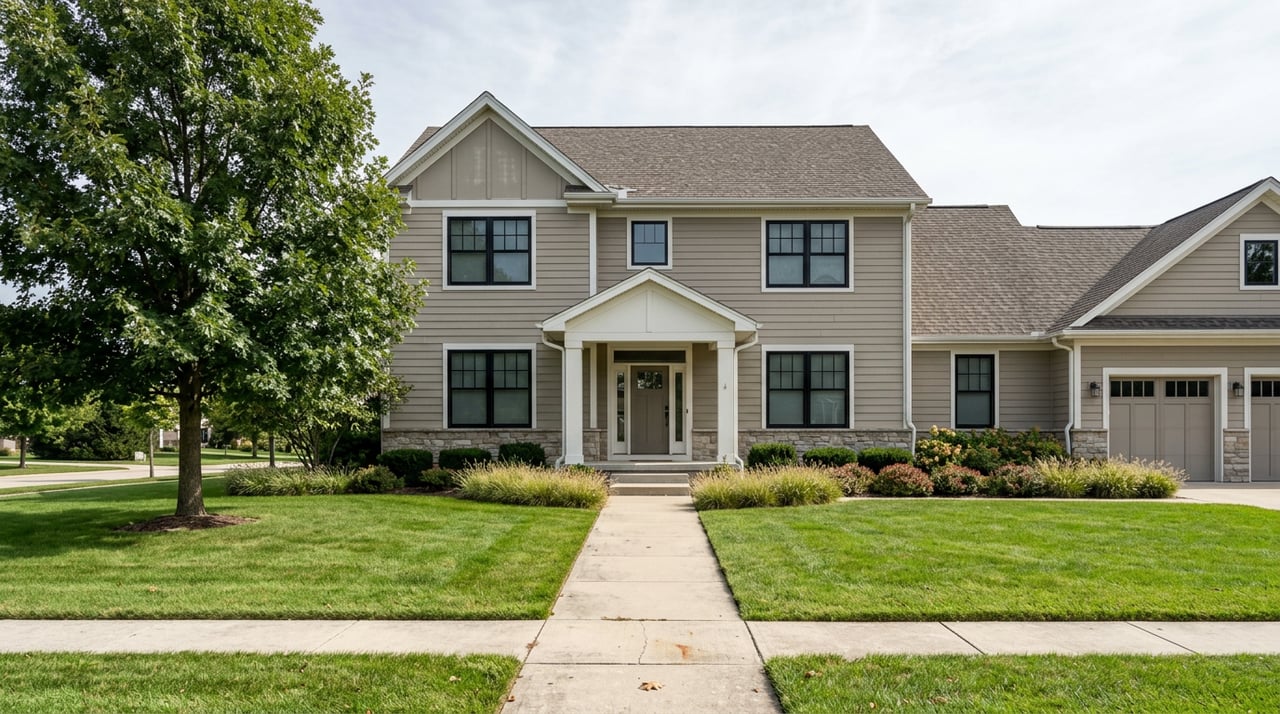
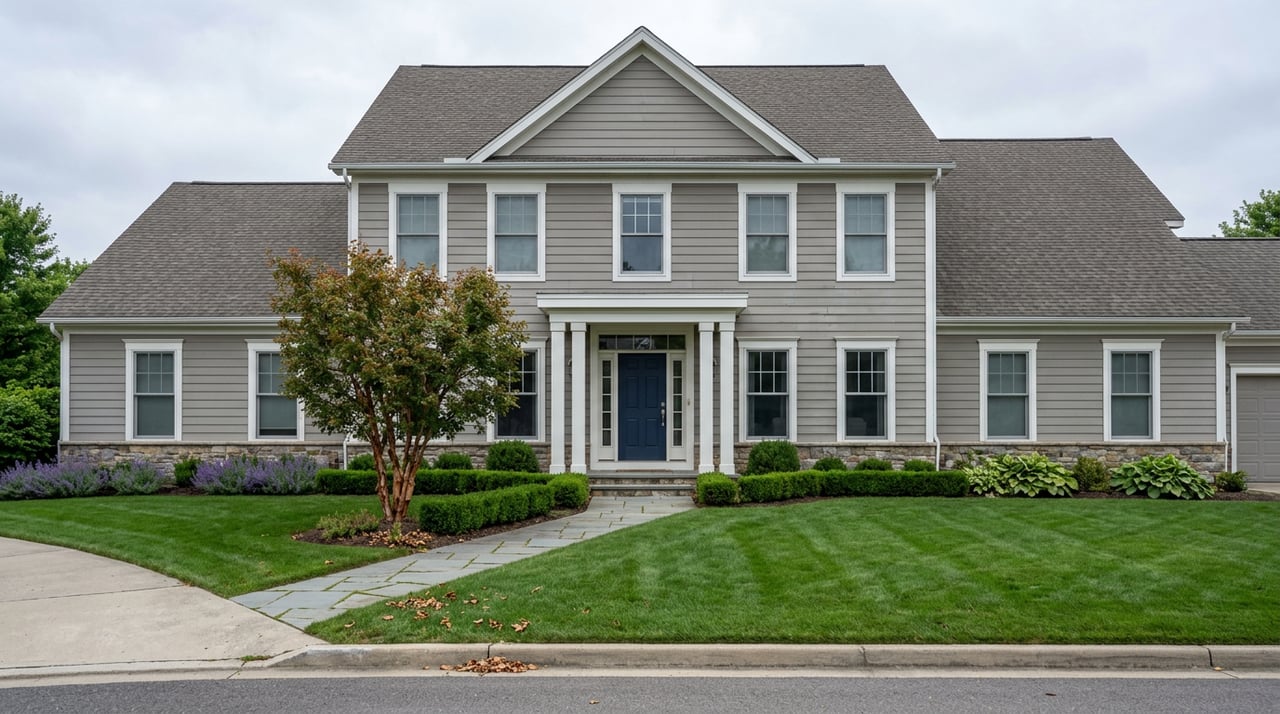
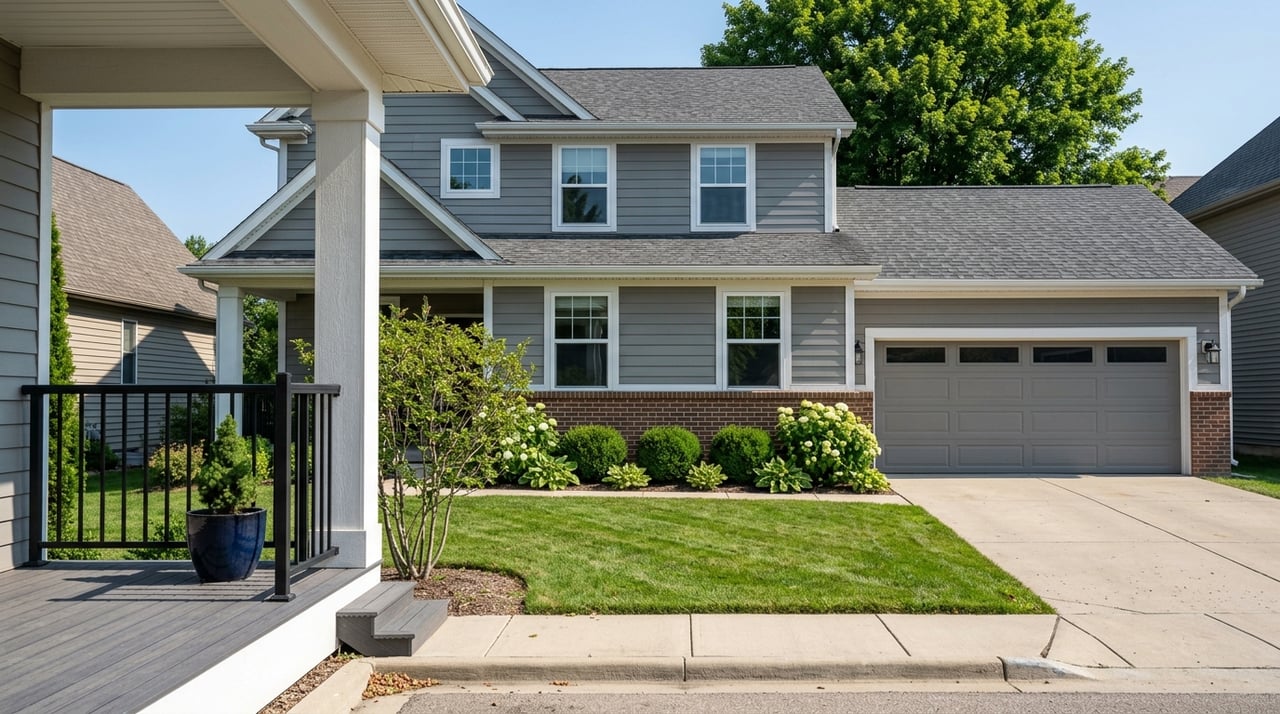
That does not mean your options are limited to one home style. The city describes a range of housing types, prices, and sizes, including single-family homes, condominiums, and apartments. If you are looking for flexibility in price point or maintenance level, that variety can be helpful.
The city’s housing story is closely tied to its history. The Rolling Meadows Historical Museum is modeled after the first ranch-style homes built in 1953, which speaks to how central that mid-century identity still is.
Residential pockets, not one-note subdivisions
Rolling Meadows is often better understood as a collection of residential pockets and multifamily areas rather than a place defined by sharply separated neighborhoods. City references to areas such as East Park, Coach Light, Saratoga, Evergreen, and parts of Arbor Drive suggest a community with local distinctions but an overall connected feel.
For you as a buyer, that means it helps to look at homes block by block and area by area. Some sections may feel more single-family oriented, while others may offer easier access to condos, apartments, parks, or commuter routes.
Parks are a major everyday perk
If outdoor access matters to you, Rolling Meadows stands out. The Rolling Meadows Park District says it offers more than 150 acres of parks and greenspace, several miles of walking paths along Salt Creek, nine baseball fields, and a dozen playgrounds.
That kind of park system can shape day-to-day life in a real way. Whether you want a place to walk, meet friends, bring kids to a playground, or enjoy a quick break outside, the city has a strong foundation for that.
Community Center Park is a great example of what everyday recreation looks like here. According to the park district’s overview of Community Center Park, the 11.6-acre site includes pickleball courts, mini golf, a fitness court, a sled hill, a walking path along Salt Creek, and a StoryWalk connection toward North Salk Park and the library.
North Salk Park adds even more outdoor options. The park district’s page for North Salk Park notes 17 acres with a bike path, sled hill, disc golf, foot golf, and playground equipment.
Recreation is built into the community
Rolling Meadows also offers indoor recreation that supports year-round use. The Community Center has more than 50,000 square feet of programming space and includes a preschool, gymnasium, auditorium, and Adult Activity Center.
For skating and hockey, West Meadows Ice Arena adds another layer of activity. That kind of amenity can be especially useful if you want recreation close to home instead of driving to another suburb for every program or outing.
The Rolling Meadows Library is another practical part of daily life. Located at 3110 Martin Lane, it connects to the StoryWalk route that begins in North Salk Park behind the Community Center and ends at the library parking lot.
Commuting is one of the big advantages
A lot of buyers looking in Rolling Meadows are drawn to location and access. The city says it is close to O'Hare and benefits from strong public transportation and expressway access, which is a big reason the community appeals to commuters and households with varying work patterns.
The city’s comprehensive plan states that Rolling Meadows is served by the Metra UP-NW line and four Pace bus routes. In practical terms, that means you have multiple ways to connect to nearby business centers and regional transit options.
Pace Northwest Cook On Demand serves Arlington Heights, Rolling Meadows, Palatine, and Mount Prospect, with connections to Metra stations and the Northwest Transportation Center. Pace Route 606 also links the Rosemont CTA Station and Woodfield Corporate Center with business areas in Schaumburg, Arlington Heights, Rolling Meadows, and Mount Prospect.
For rail access, the nearby Arlington Heights Metra station on the Union Pacific Northwest line offers parking and Pace connections. If your routine includes downtown trips, airport access, or commuting to nearby employment hubs, Rolling Meadows is positioned well for that kind of movement.
Rolling Meadows is more than a bedroom suburb
Another important part of living here is that Rolling Meadows is not only residential. The city says its business base includes many corporate headquarters and small businesses employing about 44,000 people, which supports its role as both a residential suburb and a local employment hub.
That matters because convenience is not just about where you sleep. It is also about how easily you can get to work, errands, services, and nearby commercial areas without making every trip feel like a major drive.
The city also highlights proximity to Woodfield Shopping Center and O'Hare, reinforcing the idea that Rolling Meadows offers access to major destinations while maintaining a more established suburban feel.
What daily life feels like
So what does living in Rolling Meadows feel like today? In many ways, it feels practical, rooted, and easy to navigate. You get an older housing stock, a meaningful mix of ownership and rental options, strong park resources, and access to nearby job and retail centers.
It may be a good fit if you value:
- An established suburb with mid-century housing character
- A mostly owner-occupied community
- Single-family, condo, and apartment options
- Strong parks and recreation amenities
- Convenient access to nearby suburbs, Metra, Pace, and O'Hare
It may be less aligned if you are specifically looking for a brand-new construction environment or a highly master-planned feel. Rolling Meadows is more mature and convenience-driven than trend-focused.
Why local guidance matters here
Because Rolling Meadows includes different housing types, age ranges, and residential pockets, local guidance can make a big difference. One block may offer a very different feel, layout, or commute pattern than another.
If you are buying, it helps to compare not just price but also condition, location within the city, access to parks and transportation, and how a particular property fits your day-to-day needs. If you are selling, understanding how buyers view Rolling Meadows today can help you price and position your home more effectively.
If you are thinking about buying or selling in Rolling Meadows, the local insight and data-driven strategy at C Starr Team at @properties can help you make a confident move.
FAQs
What is the housing market feel in Rolling Meadows, Illinois?
- Rolling Meadows has an established, mid-century housing feel, with most homes built between 1950 and 1980 and a mix of single-family homes, condos, and apartments.
What is daily life like in Rolling Meadows, Illinois?
- Daily life in Rolling Meadows is shaped by practical suburban convenience, with parks, recreation facilities, library access, and solid commuting connections to nearby job and shopping areas.
What parks and recreation options are in Rolling Meadows, Illinois?
- Rolling Meadows offers more than 150 acres of parks and greenspace, walking paths along Salt Creek, playgrounds, sports fields, Community Center Park, North Salk Park, the Community Center, and West Meadows Ice Arena.
How do you commute from Rolling Meadows, Illinois?
- Rolling Meadows offers access to Pace service, the Metra UP-NW line via nearby stations such as Arlington Heights, major expressways, and convenient regional connections to O'Hare, Schaumburg, Rosemont, and surrounding suburbs.
Is Rolling Meadows, Illinois, a good fit for homebuyers?
- Rolling Meadows may be a strong fit if you want an established suburb with varied housing options, a high owner-occupancy rate, strong recreation amenities, and practical access to nearby employment centers.