Is a shorter, more predictable commute on your must-have list? If you work in the Loop, split time across the suburbs, or fly often, Park Ridge can simplify your day. You get Metra access, quick highway connections, and one of the closest suburban locations to O’Hare. In this guide, you’ll compare rail, road, and airport options, see typical travel times, and learn how to match Park Ridge home locations to your routine. Let’s dive in.
Where Park Ridge sits
Park Ridge sits about 12–16 miles northwest of the Chicago Loop depending on your route. It borders Des Plaines, Rosemont, and Niles, just south and southwest of O’Hare International Airport. The compact downtown around the Metra station is the most walkable area, with a mix of single-family streets and higher-density options near transit.
Metra: UP‑NW to downtown
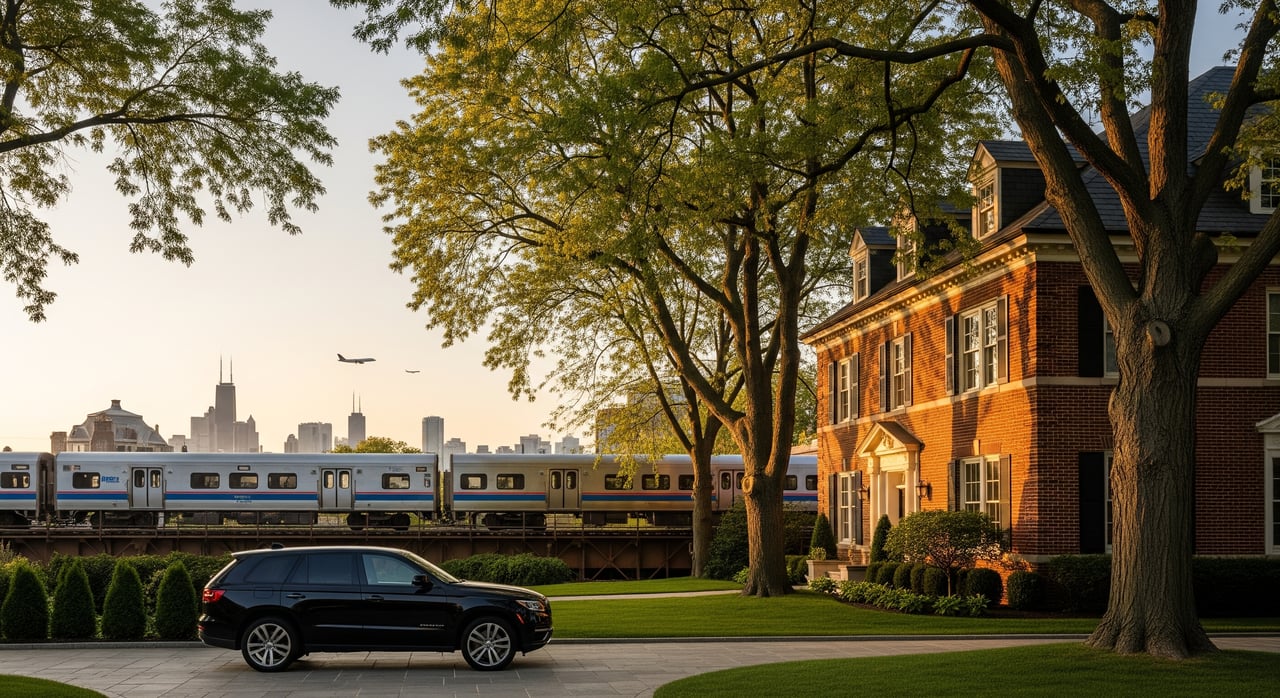
The primary rail option is Metra’s Union Pacific Northwest (UP‑NW) line, which runs directly to the Ogilvie Transportation Center. Downtown Park Ridge’s station puts you in the village core, steps to coffee, restaurants, and services.
Travel times and frequency
- Typical inbound weekday trips to Ogilvie run about 20–40 minutes depending on whether your train is express or local.
- Peak periods have more frequent trains; off-peak and weekends run less often.
- If you commute often, monthly or 10-ride passes can help with costs. Check current details on the UP‑NW line via Metra’s schedules and fares.
Parking and passes
Park-and-ride lots near the station are common. Some require permits or daily fees, and rules vary by lot. Before you rely on a lot, confirm current policies with the city or station operator. For municipal parking updates and permits, start with City of Park Ridge resources.
Who benefits from living near the station
If you ride downtown most weekdays, a home within a comfortable walk or quick bike ride to the station can cut door-to-door time and reduce parking expenses. You’ll also enjoy easy access to the downtown shops and dining. If your schedule is flexible or you split work across suburban hubs, you may prioritize quick highway access instead.
CTA and Pace connections
Park Ridge does not have CTA rail service in town. The CTA Blue Line connects O’Hare to downtown, but the nearest stations for Park Ridge residents are typically Rosemont or Cumberland.
- To ride the Blue Line, most residents take a short drive, local bus, or rideshare to a station. Review the system map and Blue Line details at the Chicago Transit Authority.
- Pace Suburban Bus runs routes through Park Ridge and to nearby transit nodes, though many routes are lower frequency and designed for local trips. See route options and schedules at Pace Suburban Bus.
First and last mile options
Walking, biking, and short rideshare hops are the most common ways to reach Metra or a CTA Blue Line station. Many riders keep a folding bike, use local bike racks, or coordinate drop-offs to match train departures.
Driving: highways and arterials
Park Ridge offers straightforward access to major expressways and key surface routes. You can reach I‑90/Kennedy, I‑294/Tri‑State, and U.S. Route 14 (Northwest Highway) quickly, with Touhy Avenue, Oakton Street, and Cumberland Avenue handling many local trips.
- Expect heavier congestion on I‑90 and I‑294 during peak periods. Toll routes can be faster at times, but factor toll costs into your budget.
- For regional highway maps and traffic resources, use the Illinois Department of Transportation.
Typical drive-time ranges
Travel times vary by time of day, weather, and incidents. As general ranges:
- Park Ridge to the Chicago Loop: about 25–45 minutes in non-peak to moderate traffic. Peak can run longer; Metra is often more predictable at rush hour.
- Park Ridge to O’Hare: usually 10–20 minutes by car, plus time for terminal traffic and security.
- Park Ridge to Rosemont: commonly 10–20 minutes, depending on route and events.
- Park Ridge to Schaumburg and nearby business parks: roughly 25–45 minutes depending on congestion.
Parking, tolls, and timing strategies
- If you drive downtown, weigh parking costs and time variability against the reliability of rail.
- For suburban commutes, sample your exact route at your target hours on multiple weekdays to get a true picture.
- If you use tollways often, compare toll expenses to a Metra pass to see which option is more cost-effective.
O’Hare: close and convenient
Park Ridge is one of the closest communities to O’Hare, with many addresses just 3–7 miles from the terminals. That proximity helps frequent flyers and airport staff.
Getting to the terminals
- Most residents drive or use rideshare for the most direct access. Allow extra time for terminal congestion and security.
- You can also connect to the CTA Blue Line by driving or busing to Rosemont or Cumberland, then riding to the airport.
- There is no direct Metra-to-terminal rail link. Some travelers connect by bus or rideshare from a nearby station.
Noise awareness
Aircraft noise varies by neighborhood, time of day, and active flight paths. If you are sensitive to noise, review airport materials and talk with your agent about what to expect. The Chicago Department of Aviation provides helpful context at the O’Hare noise and operations resources.
Match your commute to a location
Every buyer’s routine is different. Use these patterns as a starting point:
- Prioritize downtown rail: Live within a 0–0.6 mile walk to the Park Ridge Metra or within a quick bike/drive to a station with parking. Expect higher demand near the station and stronger walkability.
- Prioritize car commutes: Look for quick access to I‑90, I‑294, and key arterials like Touhy and Cumberland. A driveway or garage becomes a daily convenience.
- Work at or near O’Hare: Western or southern parts of Park Ridge shorten the drive. If noise is a concern, compare blocks and review airport information before committing.
- Mixed household needs: Balance walkability to Metra and local services with reliable driveway access for school drop-off and errands.
- Budget-minded buyers: Consider homes a short drive from the station and use park-and-ride. Compare a monthly Metra pass versus car and toll costs to understand your total commute budget.
Try-before-you-buy commute checklist
If you’re a rail-first commuter
- Ride an inbound morning and outbound evening train you would realistically take.
- Time the walk, bike, or drop-off to the station from the listing location.
- Test a backup departure in case of meetings that run late.
- Review current schedules and passes on Metra.
If you drive most days
- Sample your exact route at your target arrival and departure times on more than one weekday.
- Compare different on-ramps and surface routes to see which is most reliable.
- Price out tolls and parking for a typical month and compare to a Metra pass.
- Use IDOT resources for regional traffic context.
If you fly often or work at O’Hare
- Drive the terminal route during your typical shift start and end times.
- Test the Blue Line connection by reaching Rosemont or Cumberland and riding to the airport.
- Review airport information and noise context via the Chicago Department of Aviation.
How we can help
Choosing a Park Ridge home starts with matching the address to your commute. Our team pairs neighborhood insight with practical testing, so your daily travel is predictable and your move is intentional. We’ll help you compare rail versus road timing, evaluate park-and-ride and permit options, and structure offers with confidence when the fit is right. If you want a streamlined search backed by data and a responsive team, connect with the C Starr Team at @properties.
FAQs
Is Metra or driving faster from Park Ridge to the Loop?
- During weekday peak hours, Metra’s UP‑NW line often provides more predictable 20–40 minute travel times to Ogilvie, while driving can vary widely with congestion.
Does Park Ridge have CTA rail service to downtown Chicago?
- No. The CTA Blue Line does not run through Park Ridge. Most residents drive, bus, or rideshare to Rosemont or Cumberland for Blue Line access.
How long does it take to drive from Park Ridge to O’Hare?
- Typical drive times are about 10–20 minutes in normal conditions, with extra time needed for terminal traffic and security.
What are my options to reach O’Hare without driving from Park Ridge?
- Connect to the CTA Blue Line by reaching Rosemont or Cumberland via bus or rideshare. There is no direct Metra-to-terminal rail link.
Which Park Ridge locations are best for a downtown rail commute?
- Homes within a short walk or bike ride to the Park Ridge Metra station are ideal for daily Loop travel, while homes near I‑90 or I‑294 suit car-first commutes better.