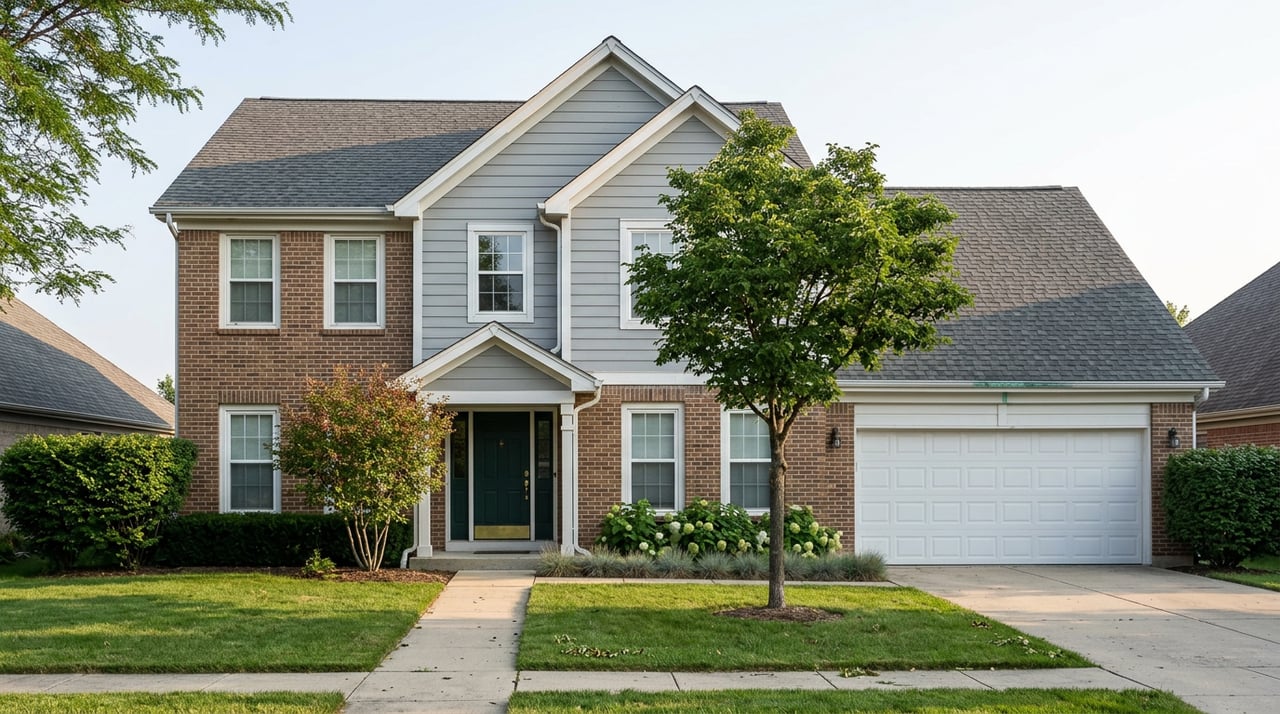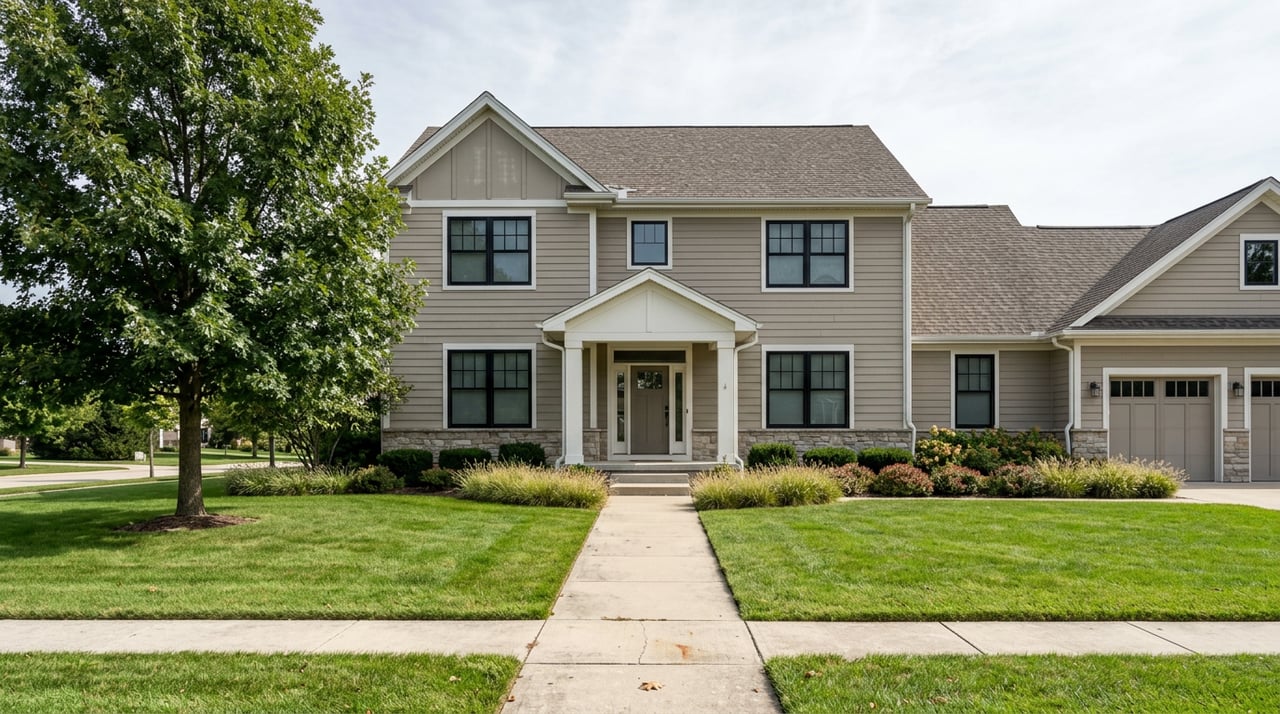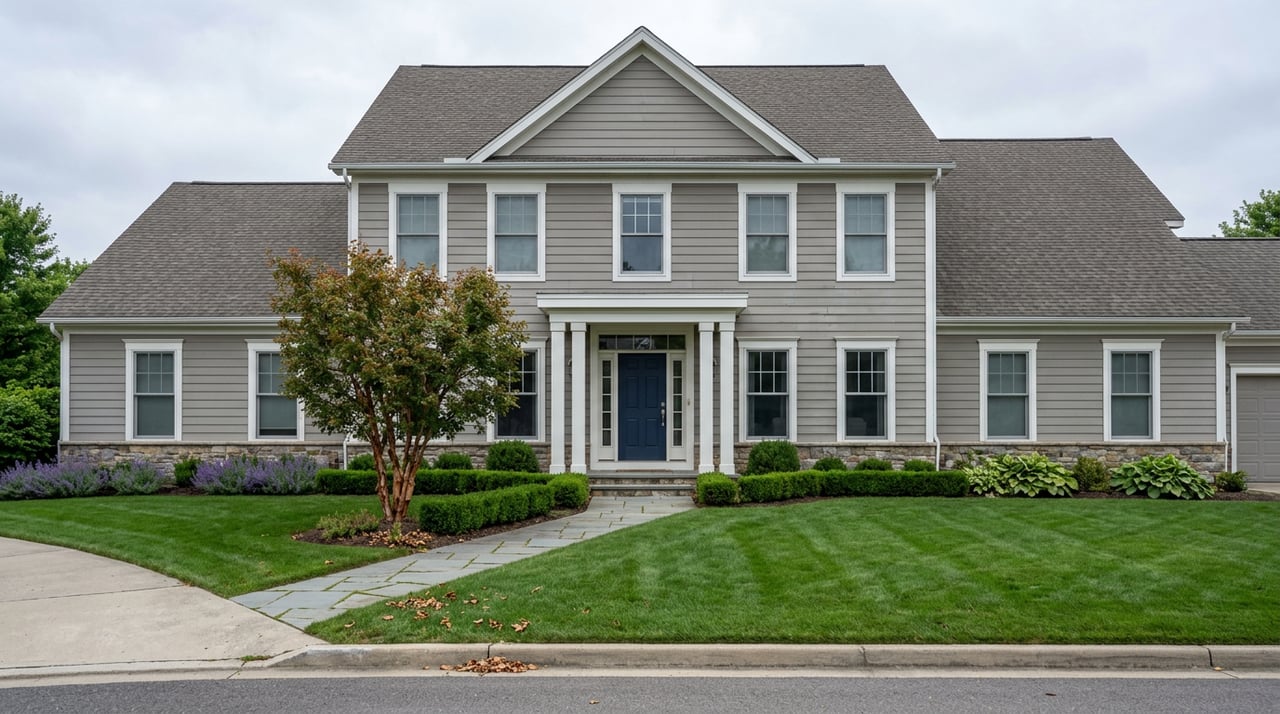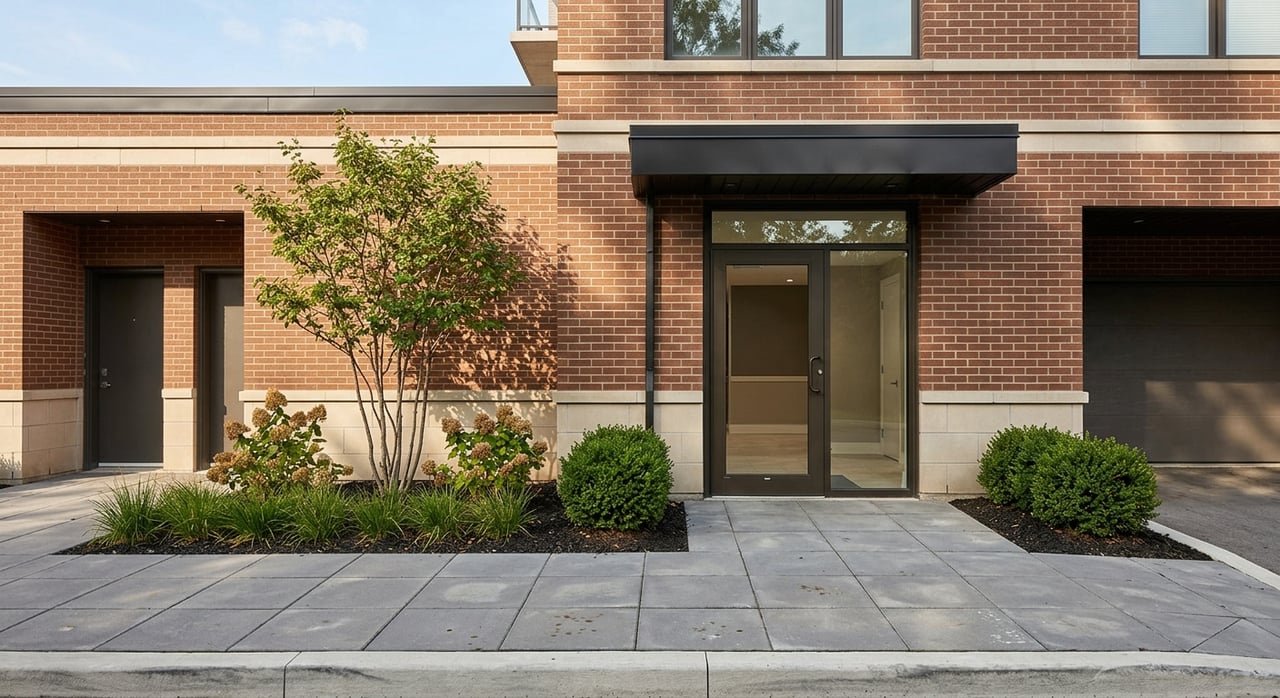
Wondering whether a condo or townhome in Palatine will actually make your life easier? You are not alone. Many buyers like the idea of lower-maintenance living, but the real answer comes down to monthly costs, parking, rules, and how each property fits your routine. This guide breaks down what condo and townhome living looks like in Palatine so you can compare your options with more confidence. Let’s dive in.
Palatine’s Attached-Home Market
Palatine may feel like a detached-home suburb first, but attached housing is a meaningful part of the local market. Village planning materials show single-family detached homes at 42.0% of the housing stock and single-family attached homes at 15.5%, with many multifamily units in smaller buildings and a notable share of larger buildings downtown.
That matters if you are shopping for a lower-maintenance home without leaving the area. Palatine also remains heavily owner-occupied, with a 67.4% owner-occupied housing unit rate and a median owner-occupied value of $355,600. In recent market snapshots, condos were listed at a median price of $232,000 and townhouses at a median listing price of $395,000, while the broader Palatine median sale price was $375,000 in March 2026.
Where Condos and Townhomes Show Up
Downtown Palatine Condos
Downtown is the most condo-oriented part of Palatine. The area is anchored by the UP-NW Metra station, and current listings often highlight short walks to the train, grocery options, restaurants, and the farmers market.
This is where you are more likely to find elevator buildings, shared amenities, garage parking, balconies, and storage. Some buildings are older condo communities with shared parking and amenity packages, while others offer a more updated downtown feel with features like assigned garage spaces and private outdoor areas.
Townhomes Across Palatine
Townhomes in Palatine often appeal to buyers who want attached living with a more house-like setup. A current example at 1174 N Chesapeake shows what that can look like: fee-simple ownership, 3 bedrooms, 2.5 baths, an attached garage, a deck, and one assigned parking space, along with a monthly HOA.
That type of home often lands in the middle ground. You may get more interior space, direct garage access, and some private outdoor room, while still handing off part of the exterior upkeep to the association.
Condo vs. Townhome: Daily Life Differences
If you are deciding between a condo and a townhome in Palatine, the biggest difference is usually not the label. It is the day-to-day setup of the specific property.
A condo may include shared hallways, common building systems, assigned parking, and amenities covered by your monthly assessment. A townhome may feel more independent, with fewer shared interior spaces and more private-use features like a garage, deck, or small yard area.
In practice, you should compare details such as:
- Parking setup
- Storage availability
- Elevator access
- Balcony, patio, or deck use
- Pet rules
- What the HOA covers
- What maintenance stays your responsibility
In Palatine, there is no one-size-fits-all condo or townhome experience. One building may include heat, gas, water, parking, exterior maintenance, lawn care, scavenger service, snow removal, clubhouse access, and a pool. Another may have very different inclusions and stricter pet rules.
Why the HOA Matters So Much
The HOA is one of the biggest pieces of attached-home living. It affects your monthly budget, your maintenance responsibilities, and your flexibility as an owner.
Illinois condominium guidance says buyers should treat the declaration as the controlling document, then read the bylaws and rules and regulations as well. Everyone using or occupying the condo is subject to those documents, so it is important to understand them before you close.
State guidance also says associations must keep records such as the declaration, bylaws, rules, insurance policies, contracts, and meeting minutes. That gives you a clear due diligence checklist during the contract period.
What to Review Before You Buy
When you are evaluating a condo or townhome with an association, ask for and review:
- Declaration
- Bylaws
- Rules and regulations
- Insurance information
- Recent meeting minutes
- Current assessment amount
- Any planned special assessments
- Reserve information, if available
- Maintenance responsibilities for the owner and association
This is where many buyers find the real difference between two homes that looked similar online. A lower list price can lose its appeal quickly if the rules are restrictive or the association’s financial picture raises concerns.
Monthly Cost: Price Is Only One Number
One of the most important takeaways in Palatine is that a lower purchase price does not always mean a lower monthly cost. HOA dues can change the math in a big way.
For context, Census QuickFacts lists Palatine’s median monthly owner costs at $2,356 for owners with a mortgage and $1,028 for owners without one. That is a useful benchmark when you compare attached homes to detached homes.
Here is how current listing examples help show the difference:
| Property type | List price | HOA | Annual taxes | Estimated monthly payment |
|---|---|---|---|---|
| Condo at 1365 N Sterling Ave Unit D116 | $220,000 | $363/month | $4,077.69 | $1,918/month |
| Townhome at 1174 N Chesapeake | $367,000 | $410/month | $5,921 | $2,912/month |
| Downtown condo at 190 W Johnson St #305 | $367,000 | $474/month | $6,730 | $3,060/month |
| Detached home at 648 E Lincoln St | $409,900 | $0 | $6,227 | $2,941/month |
These examples show why you should compare total carrying cost, not just the asking price. A condo may cost less to buy, but dues and taxes can narrow the gap. A detached home may have no HOA, but you take on more direct maintenance responsibility.
Parking Can Make or Break the Fit
Palatine is only minimally walkable overall, with a Walk Score of 41. For many buyers, that means parking and transit access are not small details. They are everyday quality-of-life issues.
Parking varies a lot from one attached property to the next. Current listings show examples with two permitted parking spaces, one garage space plus additional parking, heated garage parking, one assigned space, or an attached garage with limited extra parking listed.
Questions to Ask About Parking
Before you commit, confirm:
- Is the parking assigned or first come, first served?
- Is it garage parking, surface parking, or both?
- How many spaces come with the unit?
- Is guest parking available?
- Are there limits on overnight or extra vehicles?
If you plan to commute by train, downtown condo options may be especially appealing because of their proximity to the Metra station. If you need easy daily car access and extra storage, a townhome or fee-simple attached home may fit better.
Rules on Pets, Rentals, and Changes
Association rules are not just background paperwork. They shape how you can live in the property.
Current Palatine listings already show that pet rules can differ from one building to another. One condo listing notes cats only and no dogs. That is why you should always verify pet rules directly in the association documents rather than assume the next building will be similar.
If you think you may rent the property in the future, do that homework early too. Palatine’s rental program applies to townhomes and condominiums as well as single-family homes, and the village requires an annual rental dwelling license for those rental properties.
You should also ask what changes require board approval. Illinois guidance notes that written board approval is often required before modifying common elements or limited common elements. Those can include balconies, patios, parking facilities, and other shared or partly shared features.
Maintenance: What You Handle vs. What the HOA Handles
Attached living often appeals to buyers who want fewer maintenance tasks, but the exact split matters. Illinois guidance explains that common elements can include roofs, hallways, parking areas, storage, landscaping, and exterior systems. Limited common elements can include balconies, patios, and parking spaces or facilities.
That means you should get clear answers on what the association maintains and what stays with the owner. The difference can affect your budget, your repair timeline, and your expectations after closing.
A simple checklist can help:
- Exterior maintenance
- Roof responsibility
- Snow removal
- Lawn care
- Hallway or lobby upkeep
- Balcony or deck responsibility
- Parking lot or garage maintenance
- Building insurance vs. owner insurance needs
The more clearly you understand that division, the fewer surprises you are likely to have later.
Which Option Fits You Best?
A condo in Palatine may be a strong fit if you want a lower entry price, prefer downtown access, or like the convenience of shared maintenance and possible amenities. It can also work well if you value being near the Metra station, shops, and restaurants.
A townhome may be a better fit if you want more interior space, direct garage access, and a more house-like ownership experience while still keeping some maintenance off your plate. For many buyers, it feels like a middle ground between condo living and a detached house.
The best choice usually comes down to your real monthly budget, your parking needs, your comfort with HOA rules, and how much maintenance you actually want to manage yourself.
If you are weighing condos, townhomes, or detached homes in Palatine, the smartest move is to compare each option side by side with clear numbers and property-specific details. The team at C Starr Team at @properties can help you evaluate current options, understand the tradeoffs, and make a decision that fits your goals.
FAQs
What is the difference between a Palatine condo and a Palatine townhome?
- In Palatine, condos often involve shared building spaces and association-managed amenities, while townhomes often feel more house-like with features such as attached garages, decks, or small private outdoor areas.
Are condos in Palatine cheaper than townhomes?
- Condos in recent Palatine market snapshots had a lower median listing price than townhomes, but your total monthly cost can still be higher depending on HOA dues, taxes, and what the association includes.
What should you review before buying a condo in Palatine?
- You should review the declaration, bylaws, rules and regulations, insurance information, meeting minutes, assessment details, and any information about reserves or special assessments.
Do Palatine condo and townhome HOAs cover maintenance?
- Many do cover some maintenance, but the details vary by property, so you should confirm exactly what the HOA maintains versus what you as the owner maintain.
How important is parking for condos and townhomes in Palatine?
- Parking is very important because Palatine is minimally walkable overall, and listings show wide variation in assigned spaces, garages, guest parking, and extra parking availability.
Can you rent out a condo or townhome in Palatine later?
- Possibly, but you should check both the association rules and village requirements, since Palatine requires an annual rental dwelling license for rental properties that include townhomes and condominiums.