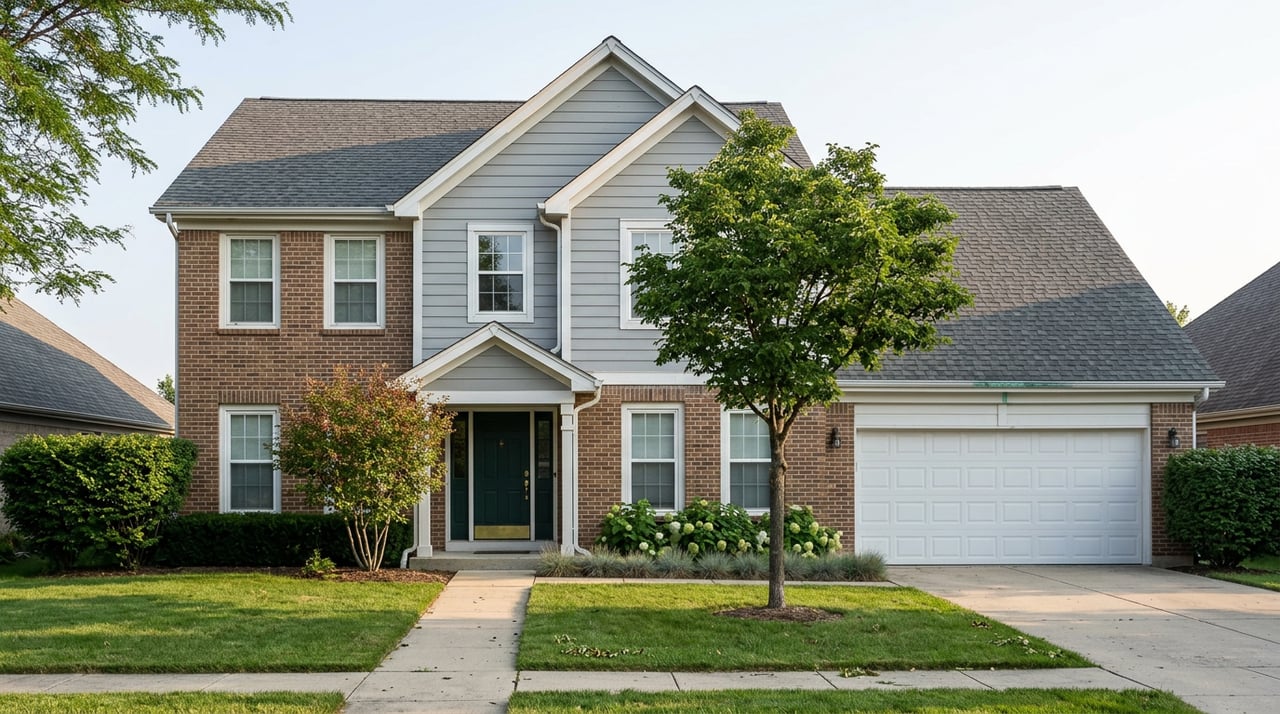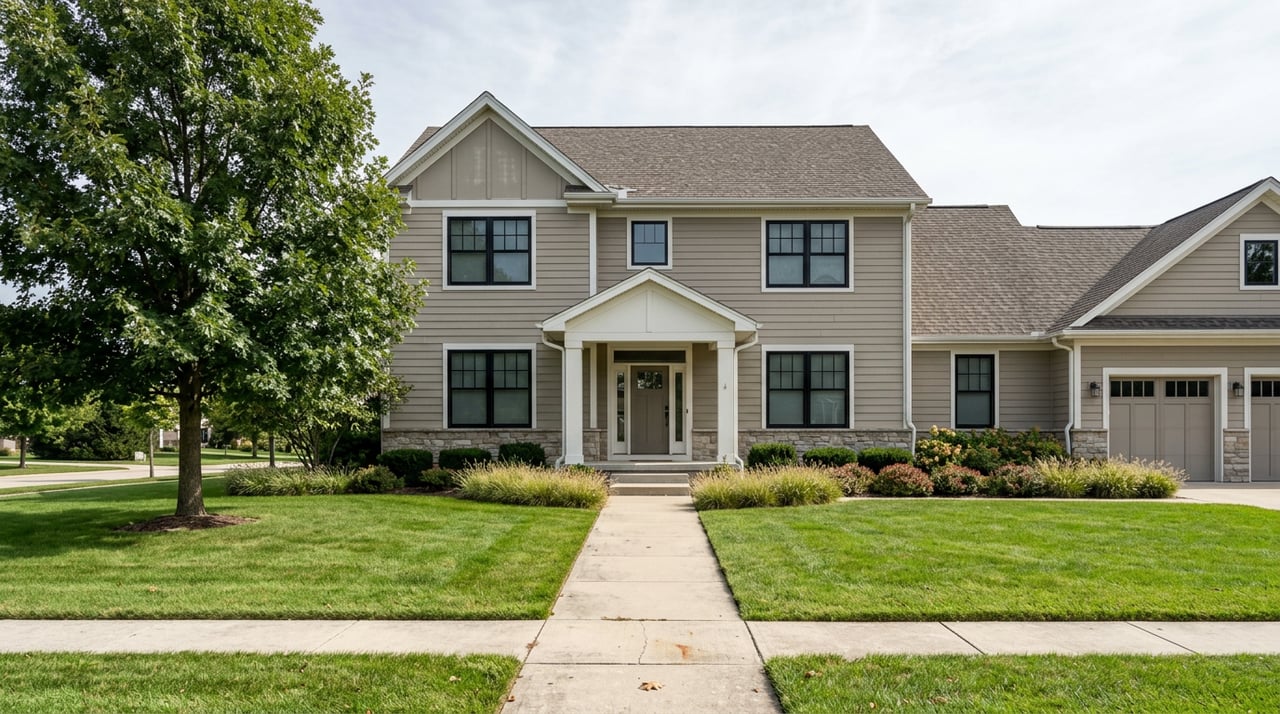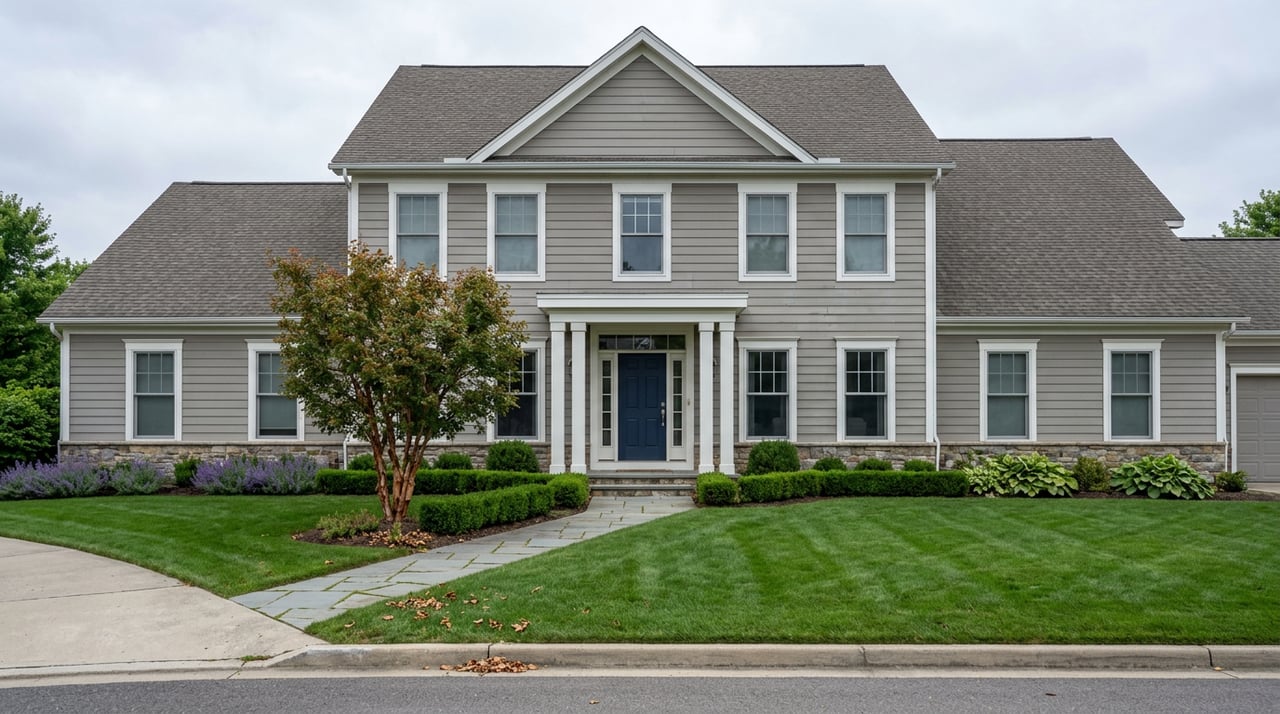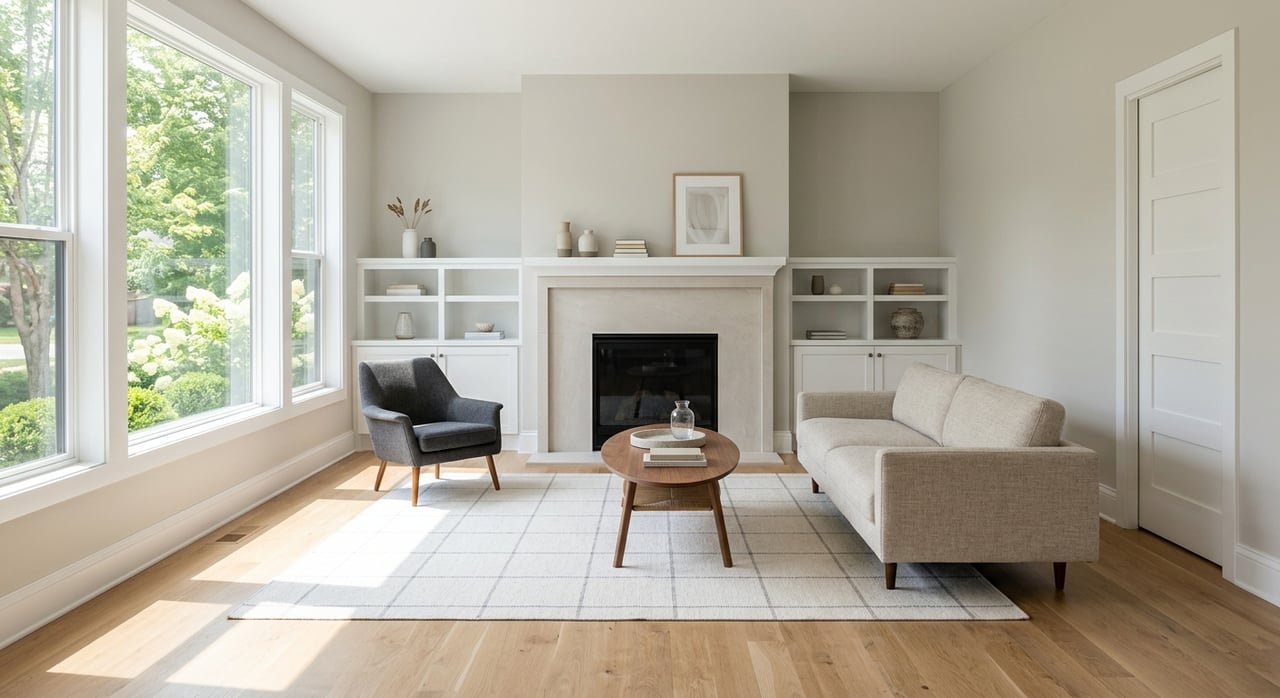
If you want a smooth sale in Prospect Heights, the work starts before your home ever hits the market. In a city where many homes are owner-occupied and detached homes have recently sold at 101.0% of original list price with about 33 days on market, your first impression matters both online and in person. The good news is that you do not need a full remodel to make a strong impact. You need a smart plan, the right priorities, and a polished launch. Let’s dive in.
Why prep matters in Prospect Heights
Prospect Heights is primarily residential, with many single-family homes on larger lots, along with condos and apartments. That means buyers often notice both the interior condition and the exterior presentation right away.
Local market data also points to a market where well-prepared homes can move quickly. For detached single-family homes, the trailing 12-month median sale price was $579,000, with an average market time of 33 days as of mid-May 2026. When your home is ready before the first photo shoot, you give yourself a better chance to capture that early interest.
Start with the highest-return tasks
The most effective pre-listing work is usually the least glamorous. Instead of jumping into major renovations, focus first on the tasks that improve how your home looks, feels, and photographs.
According to the 2025 staging report from NAR, the most common recommendations to sellers were decluttering the home, cleaning the entire home, and improving curb appeal. Those steps are practical, relatively low-disruption, and often enough to make your home feel more move-in ready.
Declutter room by room
If you have lived in your home for years, it is easy to stop noticing extra furniture, full countertops, or overstuffed closets. NAR notes that the typical seller has lived in a home for about 10 years before selling, which is one reason a fresh walkthrough can reveal issues that feel invisible to you.
Start by removing anything that makes a room feel smaller or busier. Clear counters, simplify shelves, pack away off-season items, and trim back furniture that interrupts flow. The goal is not to make your home look empty. It is to make it feel open and easy to understand.
Deep clean before anything else
A clean home sends a message of care. Dust, smudges, pet hair, soap buildup, and dingy floors can distract buyers even when the home itself is a strong fit.
Focus extra attention on kitchens, bathrooms, windows, baseboards, light fixtures, and flooring. Cleanliness matters in person, but it matters even more in listing media because the camera tends to amplify small flaws.
Depersonalize the space
You want buyers to picture their life in the home, not feel like they are walking through someone else’s daily routine. That means packing away highly personal photos, bold or niche decor, and anything visually distracting.
This does not mean stripping out all character. It means editing the space so the home itself becomes the focus.
Put curb appeal on the list early
In Prospect Heights, where many homes sit on larger lots, exterior presentation carries weight. Buyers often form their first opinion before they step through the front door, and that first impression can shape how they view the rest of the showing.
Simple outdoor work can go a long way:
- Mow and edge the lawn
- Trim shrubs and low branches
- Remove yard clutter and unused planters
- Sweep walkways and the front entry
- Refresh mulch where needed
- Touch up the front door or visible trim if worn
- Make sure exterior lights work
You do not need to overdo it. You just want the exterior to look maintained, welcoming, and consistent with the price point you are targeting.
Fix small issues before buyers see them
Minor deferred maintenance can make buyers wonder about bigger hidden problems. A loose handle, dripping faucet, cracked switch plate, or scuffed wall may seem small on its own, but together they can create a sense that the home has not been fully cared for.
Before launch, walk through your home as if you were seeing it for the first time. Look for worn caulk, burned-out bulbs, squeaky doors, chipped paint, damaged screens, and anything that pulls attention away from the home’s strengths.
Skip the major remodel trap
For a streamlined sale, low-cost visual improvements often beat large renovation projects. The strongest prep strategy is usually cleaning, decluttering, curb appeal, and simple repairs rather than starting a major kitchen or bath overhaul right before listing.
That approach saves time, reduces disruption, and helps you get to market with fewer delays. In many cases, speed and presentation work better together than a last-minute renovation with uncertain payoff.
Stage the rooms that matter most
Not every room needs full staging. What matters is that your main living spaces feel intentional, functional, and inviting in both photos and showings.
NAR’s 2025 report found that 83% of buyers’ agents said staging made it easier for buyers to visualize a property as a future home. The living room ranked as the most important room to stage, followed by the primary bedroom and the kitchen.
Focus on core living spaces
If you are deciding where to spend time or money, start here:
- Living room
- Primary bedroom
- Kitchen
- Dining area, if visible from main spaces
These are the rooms buyers tend to remember most. They should feel bright, balanced, and easy to move through.
Keep staging realistic
There is a difference between polished and overproduced. NAR reported that many buyers expect homes to look like staged homes on TV, and many feel disappointed when the real property does not match that expectation.
That is why honest, clean, well-edited presentation works best. Your home should look its best, but it should still feel true to the actual experience of being there.
Schedule photos and video after prep
This step is where many sellers lose momentum. They rush to get the listing live, schedule media too soon, and then try to fix presentation issues after the home is already online.
That is backward. Photos and video should happen only after cleaning, decluttering, staging, and small repairs are complete.
NAR reports that photos are one of the most important listing features for buyers, and 81% of buyers rated listing photos as the most useful feature during an online search. NAR also notes that 52% of buyers found the home they purchased online, and the first few days after launch carry outsized importance.
Get ready for the photo shoot
Before the photographer arrives, make sure you:
- Open blinds for natural light
- Clear kitchen and bathroom counters
- Remove distracting art and personal items
- Reduce extra furniture where rooms feel tight
- Hide cords, bins, and pet items
- Make beds neatly
- Turn on working lights
The camera sees clutter differently than the human eye. A room that feels fine in daily life may look crowded in photos, so it pays to prepare carefully.
Plan for disclosures early
A smooth sale is not just about presentation. It is also about being organized on the legal side.
Under Illinois law, a seller of residential real property must complete the Residential Real Property Disclosure Report and deliver it to a prospective buyer before a contract is signed. If you later discover an error, inaccuracy, or omission before closing, you must provide a supplemental written disclosure.
If a seller does not provide the disclosure report, the buyer can terminate the contract. Illinois law also states that knowingly false disclosures can create liability for actual damages, court costs, and potentially attorney’s fees.
Older homes may need lead disclosure planning
If your home was built before 1978, lead-based paint rules may apply. In most pre-1978 housing, sellers and agents must disclose known lead-based paint information before the contract is signed, provide the required pamphlet, include a lead warning statement, and allow a 10-day inspection or risk-assessment period.
If you are doing touch-up work in an older home before listing, use lead-safe certified firms and certified renovators when the work may disturb lead-based paint. That helps protect both your timeline and your peace of mind.
Build your timeline around the launch
One of the best ways to reduce stress is to think about your sale as a sequence. Finish the prep first. Launch with polished media second. Then coordinate contract, closing, and possession timing with your next move.
This matters in a market where homes can move in about a month, but timing is never perfectly predictable. It is smart to build in buffer time rather than assume your first acceptable offer will line up exactly with your next purchase.
A simple seller prep sequence
Here is a practical order to follow:
- Walk through the home with a critical eye
- Make a list of clutter, cleaning, and repair needs
- Complete low-disruption updates first
- Improve curb appeal
- Finish staging or room styling
- Complete required disclosures and gather documents
- Schedule photos and video
- Launch only when the home is truly ready
This sequence helps you protect your first impression and avoid the common mistake of going live too early.
Keep your goals in focus
Preparing your Prospect Heights home for sale does not have to mean turning your life upside down. In most cases, the winning strategy is simple: clean thoroughly, edit the space, fix the obvious issues, improve the exterior, and make sure your marketing materials happen after the prep is complete.
That approach supports what buyers are already looking for online and in person. It also gives you a cleaner path to pricing, showings, negotiations, and closing with fewer avoidable surprises.
If you are thinking about selling in Prospect Heights, C Starr Team at @properties can help you build a prep plan, price strategically, and launch with professional marketing designed to support a smooth, high-confidence sale.
FAQs
What should I fix before listing a home in Prospect Heights?
- Focus first on visible, high-impact items like clutter, cleaning, curb appeal, scuffed paint, loose hardware, worn caulk, burned-out bulbs, and other minor maintenance issues that affect buyer perception.
What rooms matter most when staging a Prospect Heights home?
- The top priorities are the living room, primary bedroom, and kitchen, since these are the rooms buyers most often notice and remember.
When should I schedule listing photos for a Prospect Heights home sale?
- Schedule photos and video only after decluttering, deep cleaning, staging, and small repairs are fully done so your home makes the strongest possible first impression online.
Do Illinois sellers need a disclosure form before selling a home?
- Yes. Illinois sellers must complete the Residential Real Property Disclosure Report and provide it to the prospective buyer before a contract is signed.
What if my Prospect Heights home was built before 1978?
- Most pre-1978 homes require lead-based paint disclosure steps before contract signing, and any pre-listing work that disturbs painted surfaces should be handled with lead-safe certified professionals when required.
Should I renovate before selling my Prospect Heights home?
- Usually, a smooth sale benefits more from low-disruption improvements like cleaning, decluttering, curb appeal, and simple repairs than from starting a major renovation right before listing.