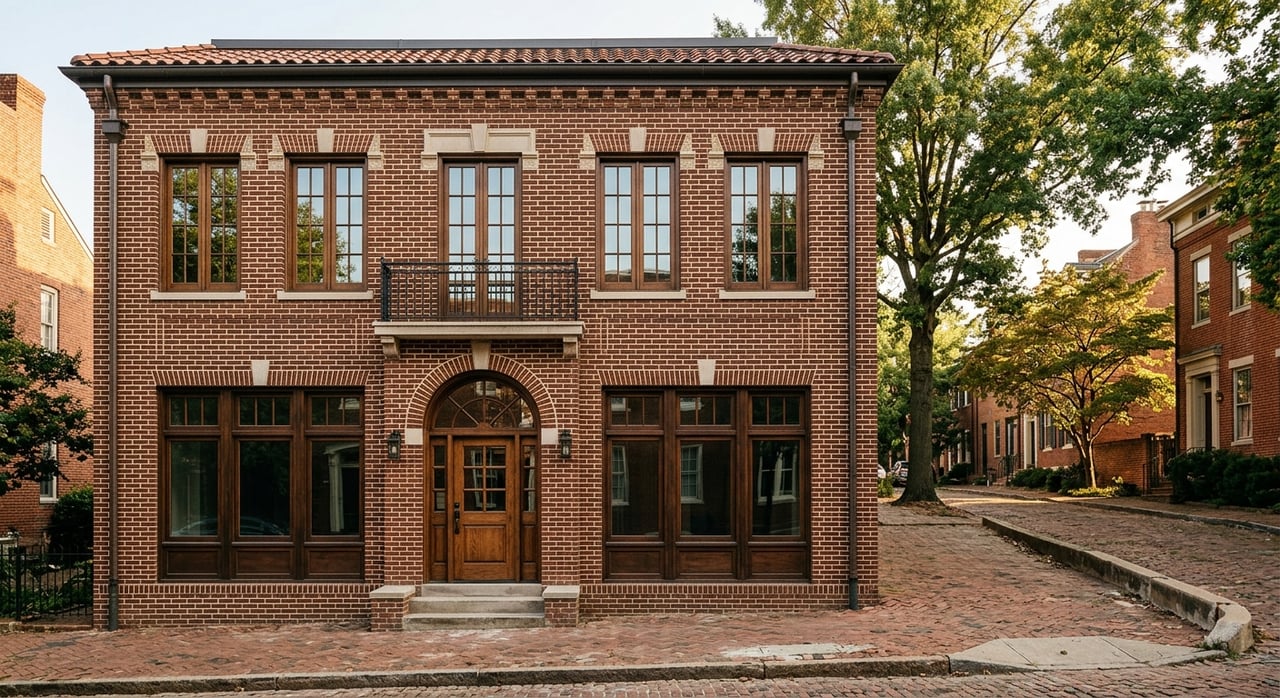
Are you looking for a suburb that feels connected without feeling crowded? In Barrington, daily life blends a historic village center, easy access to open space, and housing options that range from character-filled older homes to quieter single-family streets. If you want a clearer picture of what it’s actually like to live here, this guide will walk you through the setting, lifestyle, and home choices that shape Barrington day to day. Let’s dive in.
Barrington at a glance
Barrington describes itself as a historic suburb about 40 miles northwest of Chicago. The village has 10,722 residents and serves as a central hub within the broader 90-square-mile Barrington area, which includes seven independent villages and more than 47,000 residents.
That larger context matters because Barrington often feels more like a true village center than a typical suburban stop. The Metra station sits in the village core, which helps connect local daily life to Chicago while keeping downtown Barrington active and walkable.
Village charm starts downtown
Barrington’s identity is closely tied to its history. The village was settled in the 1830s, incorporated in 1865, and developed along the Chicago & North Western Railway, with later growth shaped by its role as a countryside retreat for Chicago families.
Today, that history still shows up in the built environment. Barrington emphasizes its preserved streetscapes, historic character, and small-town feel, which help downtown stand apart from more generic suburban commercial areas.
A preserved historic core
One of Barrington’s biggest defining features is its Historic District. The village says the district is listed on the National Register of Historic Places and is one of the largest frame-home historic districts in Illinois.
You can see that architectural range in the homes and streetscapes near the center of town. Styles include Folk, Craftsman, Victorian, Queen Anne, American Foursquare, and Colonial Revival, which gives the area visual variety and a strong sense of place.
Landmarks that shape local identity
Several local landmarks reinforce Barrington’s village-center feel. The village identifies Barrington’s White House, the Catlow Theater, and the Octagon House as National Register properties.
These landmarks do more than add historic interest. They help anchor the downtown area as a place for gathering, events, and everyday activity, rather than just a place to pass through.
Open space is part of everyday life
If you picture Barrington as a place with room to breathe, the local recreation landscape supports that idea. The village highlights open space, equestrian heritage, and access to outdoor recreation as core parts of the community experience.
This is not just about having a park nearby. Barrington sits near a network of preserves, trails, and scenic routes that can shape how you spend a weekday evening or a weekend morning.
Trails and preserves near town
Several outdoor destinations stand out for Barrington-area residents:
- Cuba Marsh includes marsh, woodland, and grassland landscapes with 3 miles of trails for hiking, biking, and cross-country skiing.
- Citizens Park is a 45-acre park with trails and passive recreation areas, and it connects directly to Cuba Marsh by bike and running trail.
- Grassy Lake offers 5.6 miles of gravel and mowed-grass trails, along with six scenic overlooks.
- Spring Creek Forest Preserve has been described by Cook County as part of the area’s equestrian landscape, supporting the region’s horse-friendly identity.
For broader context, Cook County says its forest preserve system protects more than 70,000 acres of public open space and includes over 400 miles of marked trails. That scale helps explain why outdoor access feels like a real lifestyle feature here, not an afterthought.
Equestrian and scenic character
Barrington’s recreation materials also point to the area’s equestrian heritage. Scenic drives past horse farms and estates are part of the local identity, and that rural edge contributes to the sense of openness many buyers notice right away.
Even if you are not involved in equestrian activities, that landscape still shapes the feel of the area. It adds visual breathing room and a more bucolic setting than you might expect this close to the Chicago metro.
Water recreation nearby
The Fox River adds another layer to the outdoor picture. Barrington says the community is just a few miles from the river, which it describes as a destination for boating and water recreation.
That means your outdoor options are not limited to trails and preserves. Depending on how you like to spend your free time, the broader area supports a mix of land- and water-based recreation.
Daily convenience centers on the village core
Barrington’s downtown is designed as a mixed-use village center. According to the village, it includes retail, office, service, artisan, institutional, and residential uses, all concentrated in a walkable setting.
For you as a resident, that mix can make daily errands and local outings feel simpler. It also helps create a downtown that stays relevant throughout the day, rather than serving one narrow purpose.
Shopping, dining, and community events
Barrington says residents and visitors can stroll the village center, dine at local restaurants, shop in small stores, and attend recurring events. The village highlights its Fourth of July celebration, weekly farmers’ markets, and Thursday-night programming as examples of the event calendar.
That event pattern supports a more traditional main street feel. Instead of downtown acting only as a commuter node, it functions as a place where people gather, spend time, and return regularly.
Walkability and access
The village’s plans emphasize pedestrian connections between downtown destinations. Key districts are within walking distance of one another and close to the Barrington Metra station, which helps tie shopping, dining, culture, and commuting together.
Metra lists Barrington on the Union Pacific Northwest line at 201 S. Spring Street. The station also has 914 parking spaces, which supports both commuter use and broader access to the village center.
Parking and practical logistics
For daily use, Barrington provides downtown parking for commuters, residents, and shoppers. The village says shopper parking is available in municipal lots and on-street spaces downtown.
It also notes that overnight street parking is restricted from 1 a.m. to 6 a.m. for safety, street cleaning, and snow removal. That is the kind of practical detail worth knowing if you are comparing how daily routines may work from one suburb to another.
What housing looks like in Barrington
Barrington’s housing stock reflects its dual identity. You will find historic homes dating back to the 1800s, along with newer options, but the village remains dominated by single-family detached housing.
In Barrington’s 2021 Comprehensive Plan snapshot, the village had 2,817 single-family detached units and 1,089 multi-family units, including attached single-family homes, duplexes, and buildings with three or more units. In other words, detached homes still define the market, even though attached choices are part of the mix.
Historic homes near the center
If you are drawn to architecture and older details, the historic core is one of Barrington’s clearest lifestyle draws. The village specifically notes strong architectural variety in the Historic District, and Lake Street is identified as having notable Queen Anne homes.
For some buyers, this is where Barrington feels most distinctive. The housing is not only functional, but also visually tied to the village’s long-standing identity.
Single-family neighborhoods and larger lots
Outside the core, Barrington’s neighborhood pattern is mostly low-density and single-family. The village plan describes neighborhoods with lot sizes ranging from about 7,500 square feet to 20,000 square feet or more, with some areas featuring larger lots and a stronger estate-like feel.
The plan also notes that Barrington intends to maintain neighborhood scale and character while limiting commercial encroachment into residential areas. That planning approach helps preserve the separation between quieter home settings and busier commercial spaces.
Townhomes, condos, and apartments
Attached housing exists in Barrington, but it is more selective than in many suburbs. The village points to examples such as 101 W. Liberty Street apartments, the Brentwood townhouse subdivision, and Roslyn Meadows townhomes.
The comprehensive plan also says traditional townhomes, rowhomes, and other multi-family forms can fit in transitional areas and within the Village Center, generally at a low scale. So while you can find condos, apartments, and townhomes, the overall feel still leans strongly toward detached homes.
Who Barrington may appeal to
Barrington can make sense for different kinds of buyers, depending on what matters most to you. The common thread is usually a desire for a place that balances charm, space, and daily usability.
You may appreciate Barrington if you are looking for:
- A historic downtown with walkable local destinations
- Easy access to trails, preserves, and open space
- A Metra-connected village center
- Character homes with architectural variety
- Single-family neighborhoods with a lower-density feel
- Select townhome, condo, or apartment options near key areas
In many ways, Barrington offers two strong lifestyle paths. You can focus on the village center and its historic character, or you can prioritize a quieter residential setting with more lot space and a stronger sense of separation from downtown activity.
Why Barrington stands out
What makes Barrington different is not just one feature. It is the way the village center, open-space network, and housing pattern work together.
You have a downtown with preserved character, recurring events, and commuter access. You also have trails, preserves, scenic landscapes, and neighborhoods that lean low-density and residential. That combination gives Barrington a lifestyle that feels both connected and calm.
If you are weighing a move to Barrington or preparing to sell a home here, local context matters. The right strategy depends on which part of Barrington living is most important to you, from historic charm to commuter convenience to larger-lot privacy. When you want neighborhood-level guidance, pricing insight, and a smooth plan from start to close, C Starr Team at @properties is here to help.
FAQs
What is daily life like in Barrington, Illinois?
- Daily life in Barrington centers on a historic village core, local shopping and dining, community events, Metra access, and nearby trails and preserves.
What outdoor recreation is available near Barrington?
- Barrington is close to Citizens Park, Cuba Marsh, Grassy Lake, Spring Creek Forest Preserve, and the Fox River, with options for hiking, biking, cross-country skiing, scenic outings, and water recreation nearby.
What kinds of homes are common in Barrington?
- Barrington is still dominated by single-family detached homes, with additional options that include historic homes, townhomes, condos, apartments, and some multi-family housing in select areas.
What is downtown Barrington known for?
- Downtown Barrington is known for its historic character, mixed-use village center, walkable layout, local businesses, community events, and proximity to the Metra station.
Is Barrington good for buyers who want charm and open space?
- Barrington may appeal to buyers who want both, since it combines a preserved village center with broad access to open space, trails, scenic landscapes, and lower-density residential areas.